Is the health, wellbeing and fitness industry suffering from an identity crisis? With many people thinking ‘gyms aren’t for people like me’, have we unintentionally polarised ourselves?
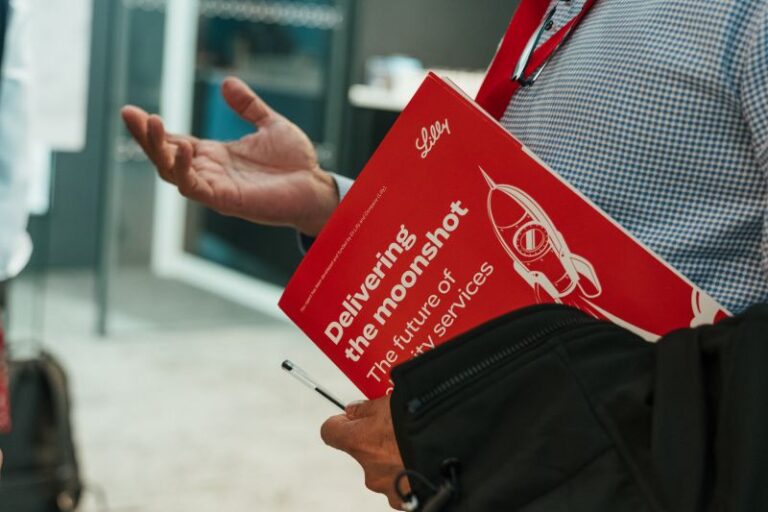
Those questions (and more) were discussed when our Head of Business Operations, Jon Keating, attended the PAF (Physical Activities Facilities Forum) Europe 2026 in Davos.
PAF is billed as the industry’s most focused business event designed to connect innovative suppliers with the most influential buyers in the European physical activity sector.
But for organisations like GM Active – rooted in community, equality and long-term wellbeing – could this moment of uncertainty represent not just a challenge, but a defining opportunity?
Read Jon’s thought-provoking letter from Davos here.
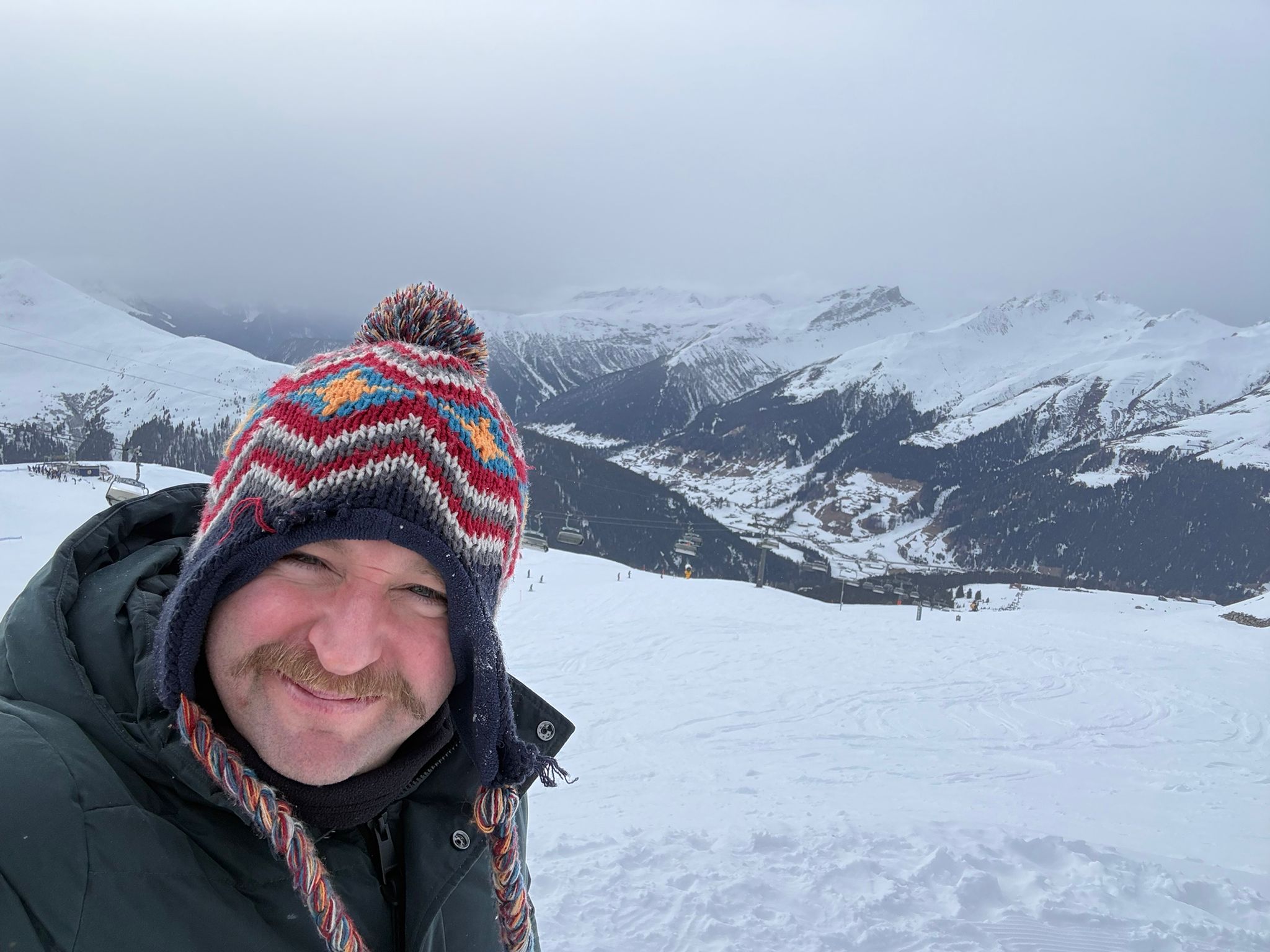
I think it was a French philosopher who once said: ‘It is better to debate a question without settling it than to settle a question without debating it.’ So here goes…
Modern life is not designed for human health. We are surrounded by an obesogenic food environment, constant overstimulation and ‘perma-stress’, poor sleep, low-quality air and light exposure, fad diets, quick-fix gadgets and conflicting advice from TikTok influencers.
The result? Confusion, disengagement, and widening health inequality. There is no single, trusted place that truly ‘owns’ lifestyle – no clear custodian helping people navigate the complexity.
And that creates a powerful question: if no one owns lifestyle – who should?
What I took from the PAF debate is that our sector must also confront its own reflection. Many people still feel that ‘gyms aren’t for people like me’ – ‘gymtimidation’ it was called – thus polarising opinions about fitness. Leisure facilities can unintentionally reinforce echo chambers – spaces that appeal to the already-fit but fail to engage the wider, deconditioned population.
The generic ‘wellbeing’ messaging isn’t cutting through, it was said. It lacks clarity, ownership and depth.
Thankfully, we in GM are more enlightened, but the opinion in Davos was that if we, as an industry, remain positioned simply as fitness providers, we’re risking becoming irrelevant to the very people who need us most.
A significant shift is underway – longevity is emerging as the defining health agenda of the next decade. Not just living longer but living better for longer.
The science is clear:
We are also seeing new dynamics, particularly around GLP-1 weight-loss medications. While these treatments can support weight reduction, they introduce new physiological and psychological and – including the risk of muscle loss, long-term sustainability challenges and even shifts in identity for some.
Currently, the UK lacks a coherent, integrated ‘lifestyle strategy’ to support these trends.
At the same time, it was said, it is estimated that around 20% of people would be willing to pay for a deeper, more integrated health and longevity offer – if it was credible and meaningful.
Perhaps the most powerful insight from Davos was this:
Human connection is the intervention.
People regulate themselves through co-regulation – through community, belonging and psychological safety. Whilst AI, wearable tech and data can support progress, they cannot replace human contact.
The quality of customer service, coaching relationships and community experience directly determines outcomes. For community leisure operators, like all those in the GM Active collective, this is not a weakness. It is a superpower!
We are uniquely positioned to lead when it comes to human connections and are already doing so. But as in most things in life, we can’t rest on our laurels.
It got me thinking about we can continue to be pioneers in the fitness, health and wellbeing space.
Someone needs to ‘own lifestyle’ and GM Active with its collective of 12 public sector leisure operators running 99 facilities with a coalition of staff totalling 3,500, is uniquely placed as a neutral, civic and trusted partner.
This means shifting the narrative:
From: “We provide fitness and wellbeing.”
To: “We are Greater Manchester’s civic lifestyle and longevity system.”
That is a fundamentally different ambition – and one aligned with the wider public sector, including healthcare. Rather than broad ‘wellbeing’ language, we can define a focused, evidence-led framework, much in the same way as our Prehab4Cancer programme (P4C) has for cancer care.
It will be built around:
This then becomes the system – not just a collection of classes.
As our work during the pivot to active wellbeing illustrated, the leisure centres of the future are not gyms. They need to be multi-zone lifestyle centres.
Over the next 10-15 years, the organisations that ‘own the space’ – us in other words – physically and strategically, need to lead. But what does that look like?
Potential future zones could (and should?) include:
• Strength and anti-atrophy studios
• Stress and sleep labs
• Nutrition and metabolic health hubs
• Recovery and regeneration areas
• Social belonging spaces – the modern ‘fire circle’
There’s plenty of good work going on, but by adopting this strategy, it reframes facilities as essential civic infrastructure, not discretionary extras. What we need now is two or three centres, whether that’s in trust or more, to lay the foundations.
The rise of GLP-1 medications presents a responsibility and opportunity, it was said in Davos, thus echoing our own summit on the subject with leading GP and TV medic, Hussain Al-Zubaidi, the lifestyle and physical activity lead for the Royal College of General Practitioners, which you can read about here .
Many users, it was said, experience:
Again, reflecting the success of P4C, here is an opportunity for GM Active to become a national exemplar in how to support GLP-1 users safely, sustainably and compassionately – protecting muscle, restoring confidence and embedding long-term lifestyle habits.
As chronicled in the People > Programme section above, ‘people need people to self-regulate’. In a world of automation and AI, relational quality becomes the differentiator – qualities the GM Active collective excel in:
These are not soft extras – they are measurable health interventions.
Protecting accessible community provision remains core to GM Active’s social purpose. But there is also opportunity to develop a tiered, premium support pathway aligned to:
This doesn’t replace community access, but it could strengthen the financial resilience of GM Active members – allowing us to reinvest into inclusion while attracting new audiences.
Greater Manchester has always been a city-region that leads and the ‘anti-health’ environment so commonplace in today’s society is not going away.
Here’s another way of looking at the situation. The fitness identity crisis will not resolve itself and from what was discussed in Davos, longevity will define the next decade.
The question is not whether change is coming. The question is whether we shape it – or react to it? I know what I’d prefer.
GM Active and its members have the reach, the trust and the civic mandate to become the lifestyle custodians for our city-region.
Our facilities are not just places to work out, but places that help people live well and in doing so hopefully live better, longer lives.
As I said at the start, It is better to debate a question without settling it than to settle a question without debating it. Discuss,
Ideas and projects are continuously evolving and progressing at GM Active. View our latest news stories below to find out how we are moving as one and contributing towards building the healthy, happy and prosperous Greater Manchester we all aspire to.